Back
Fulton, MO
Bathroom Remodels in Fulton, MO
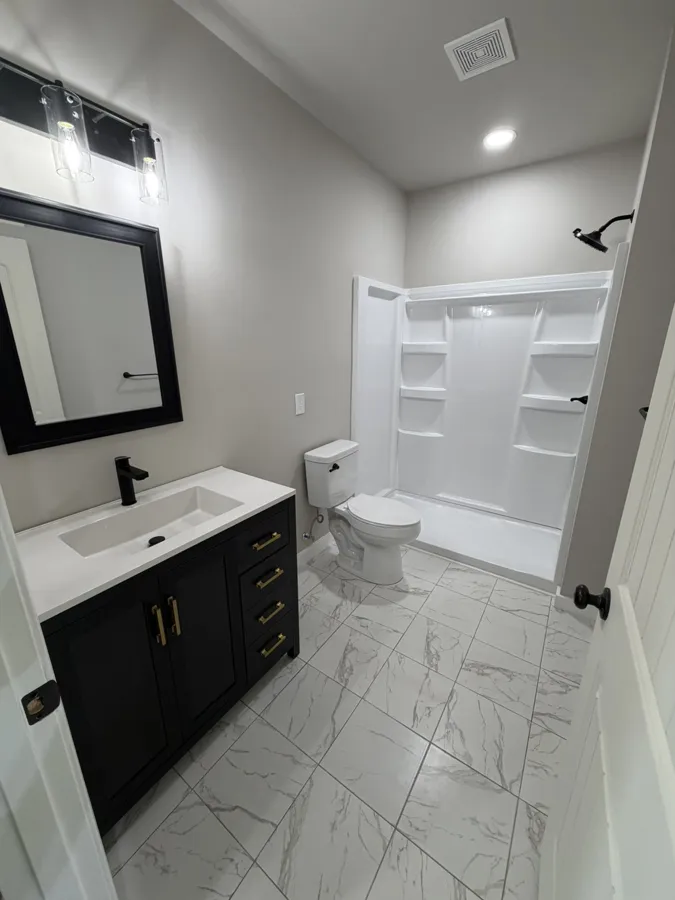
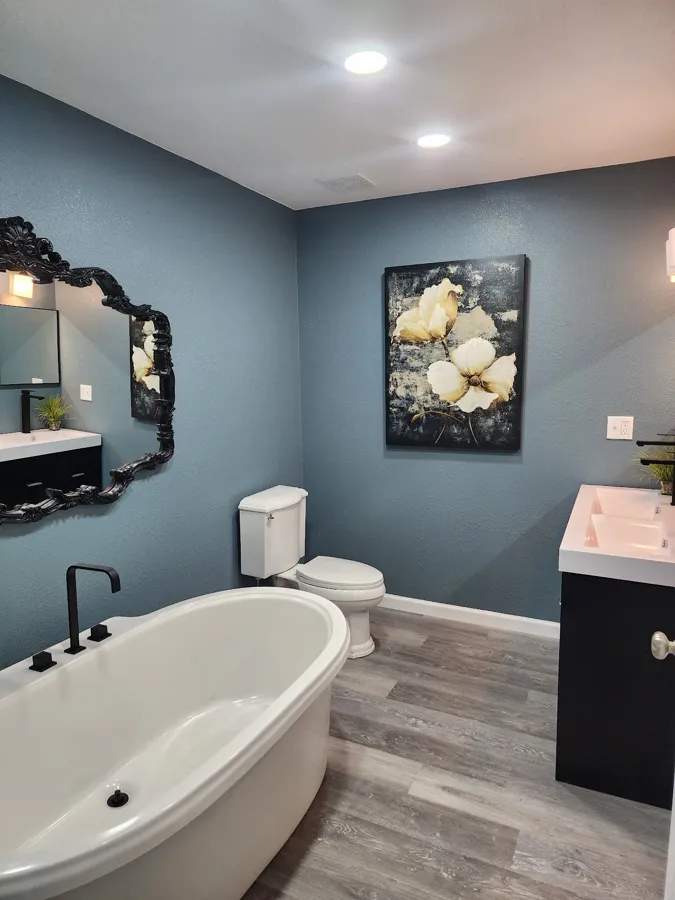
Vanities, tile floors, showers, and fixtures, installed clean and finished right.
Get a free estimateTell us your number and we will call you back.
A bathroom is the smallest room in the house and the one that punishes shortcuts the fastest. Everything in it deals with water or steam, and most of what keeps that water in check ends up hidden. Behind a tile shower, the walls need a waterproof layer, because tile and grout alone do not stop water. A shower floor has to slope to the drain so nothing sits. Under a tile floor, the subfloor has to be stiff, or the grout starts cracking. You will look at the vanity and the fixtures every day. What makes the room last is the work under them.
The common failures are easy to predict. Tile goes down over a floor that flexes. Grout gets used in a corner where caulk belongs, and the joint cracks. A toilet gets set without accounting for the new floor height, so the seal never sits right and leaks slowly into the subfloor. A fan dumps its air into the attic instead of outside, which in a humid Missouri summer means mildew and peeling paint in the room and damp insulation overhead. None of these take much extra effort to do right at the start. All of them are a real headache to fix after the room is finished.
Older homes add a wrinkle. About two of every three homes in Fulton were built before 1980, according to the Census, so there is a fair chance of old galvanized pipe or a soft spot around the toilet or tub that nobody can see until the floor comes up. Leave some room in your schedule for that. Before you call, think about what you want changed and what can stay, and whether you want a one-piece shower or tile. If this is the only bathroom in the house, tell us early so we can plan around it.

Soft spots around a toilet or tub are common in older bathrooms. They have to be fixed before new flooring goes down, so it is worth planning for.
Yes, it just takes planning. Tell us up front so we can talk through the order of work and when the room will be out of use.
More than most people think. It should vent outside, not into the attic. Without it, steam sits in the room and works on your paint, trim and caulk.
Home repairs, kitchen and bathroom remodels, decks, drywall, paint, carpentry, and the rest of the honey-do list. If you're not sure, just ask.
That's our favorite kind of call. Hand us the full list and we'll knock it all out in a single visit so you're not chasing down multiple contractors.
Yes. Estimates are always free with no pressure.